Product Overview
Premium KSM-66 Ashwagandha for Daily Balance
KSM-66 Ashwagandha is a full‑spectrum root extract traditionally used to support stress management, emotional balance, and overall mental wellness. This supplement is formulated to fit modern lifestyles, offering a convenient capsule format that is easy to consume and fast absorbing.
Designed for daily use, it supports both mind and body wellness without the need for traditional powders or herbal preparations.
Key Wellness Benefits
- Supports stress balance and emotional well‑being
- Helps promote a calm and positive mood
- Supports better sleep quality and relaxation
- Encourages mental clarity and daily focus
- Aids overall vitality and mind‑body balance
Supports Restful Sleep Naturally
Ashwagandha KSM‑66 is widely used as a natural sleep support herb. Regular use may help improve sleep quality by supporting relaxation and reducing daily mental fatigue, making it ideal for nighttime or morning routines.
High‑Quality Standardized Root Extract
These capsules contain a standardized amount of KSM‑66 Ashwagandha root extract, ensuring consistency in every serving. The extraction process follows green chemistry principles and avoids harsh chemicals, preserving the herb’s natural profile.
Clean & Convenient Capsule Form
- Made from pure Ashwagandha root extract
- Easy‑to‑swallow vegetarian capsules
- No need to carry powders or traditional formulations
- Designed for fast absorption and daily use
Purity & Safety Focus
The formulation is carefully prepared to meet quality standards and is free from harmful heavy metals, pesticides, and unwanted additives, making it suitable for long‑term wellness routines.
Product Availability
This KSM‑66 Ashwagandha supplement is sold by Amazon, ensuring reliable sourcing, quality assurance, and customer trust. You can explore this product through our products section for easy comparison and selection.
⚠️ Usage Note
This dietary supplement is intended to support general wellness. Always follow the usage instructions mentioned on the product label.
What Is Ashwagandha, and What Does "KSM-66" Mean?
Ashwagandha, known botanically as Withania somnifera, is a small shrub whose roots have been used for centuries in Ayurvedic practice. It belongs to a group of herbs often called adaptogens, a term used to describe plants traditionally taken to help the body cope with everyday stress. In recent years it has become one of the best-known herbal supplements in India and around the world, and you will find it as powders, tablets and capsules.
KSM-66 is the name of a branded, standardised ashwagandha root extract. Standardised means the manufacturer aims to keep a consistent level of the plant's active compounds, called withanolides, from batch to batch. A root-only extract is different from products that blend root and leaf. The brand name tells you something about the ingredient, but it does not by itself guarantee the quality of the finished capsule, so it is still worth checking the label, the batch information and the seller.
What Does the Research Suggest?
Several small to moderate human studies have looked at ashwagandha extracts, including KSM-66, and some report modest improvements in self-reported stress, anxiety and sleep quality over periods of several weeks. Other studies show smaller or inconsistent effects, and many trials are short, small or funded by manufacturers. In other words, the evidence is encouraging but not conclusive, and it does not show that ashwagandha treats or cures any condition.
It helps to have realistic expectations. A supplement is not a replacement for sleep, movement, balanced meals, supportive relationships or professional care when you need it. If stress feels unmanageable, if you have trouble functioning, or if you have symptoms such as persistent low mood, panic or insomnia, speak with a doctor or a qualified mental health professional rather than relying on a supplement.
How People Typically Use It
Always follow the directions on the product label, because the amount of extract and the number of capsules per serving vary between brands. Many products suggest taking a capsule once or twice daily with food or water. Some people take it in the morning for daytime balance, while others prefer the evening, because some feel slightly calm or sleepy. If you are new to it, you might start with the lowest recommended amount and see how you feel before changing anything.
Studies of ashwagandha usually run for four to twelve weeks, so do not expect a change overnight. Keep a short diary of how you sleep, how stressed you feel and any side effects. If you notice no difference after a couple of months, you can reasonably decide it is not for you. It is also sensible to take breaks and to avoid using any supplement indefinitely without a reason.
Who Should Be Careful or Avoid It
Ashwagandha is not suitable for everyone. Speak with your doctor before using it if any of the following applies to you:
- You are pregnant, trying to conceive or breastfeeding. Ashwagandha is generally advised against during pregnancy.
- You have a thyroid condition or take thyroid medication, since ashwagandha may affect thyroid hormone levels.
- You have an autoimmune condition, or you take immunosuppressant medicines.
- You have liver disease or a history of liver problems. Rare cases of liver injury have been reported with ashwagandha products.
- You take sedatives, sleep medicines, antidepressants, blood pressure medicines or diabetes medicines, as interactions are possible.
- You have a scheduled surgery. Doctors often advise stopping herbal supplements a couple of weeks before an operation.
- You have a hormone-sensitive condition, a history of allergies to plants in the nightshade family, or any serious chronic illness.
If you develop symptoms such as persistent nausea, abdominal pain, dark urine, yellowing of the skin or eyes, extreme tiredness or an allergic reaction, stop taking the supplement and seek medical care.
How to Judge the Quality of a Supplement
Supplements are not all equal, and the label deserves a careful read. Look for the following when you view the product listing or the packaging.
- The amount of extract per capsule, written clearly in milligrams, and whether the capsule contains the root extract only.
- A full ingredient list, including capsule shell material and any fillers or additives, so that you can avoid allergens.
- Manufacturing and licence details, such as a licence number from the food safety authority, the manufacturer's name and address, and batch and expiry information.
- Third-party testing, where the brand shares independent lab results for purity and heavy metals.
- A sensible seller, preferably the brand or an authorised store, to reduce the risk of counterfeit or expired stock.
Be sceptical of labels that promise dramatic results, claim to cure disease or use phrases like "miracle" or "guaranteed". Genuine supplement labels use cautious, supportive language.
Building a Stress-Balance Routine Around a Supplement
If you decide to try ashwagandha, pair it with habits that have a much stronger evidence base for stress and sleep. Move your body most days, even a brisk twenty-minute walk. Keep a consistent sleep schedule and a calm wind-down routine: dim the lights, put your phone away and read or stretch. Limit caffeine after midday and heavy alcohol, both of which disturb sleep and heighten anxiety. Try a few minutes of slow breathing, such as inhaling for four counts and exhaling for six, when you feel tense. Spend time with people who support you, and protect small pockets of time that are just for you.
These habits cost little and can make a bigger difference than any capsule. If a supplement helps you stick to them, that is a bonus, but it should not replace them.
Storage and Shelf Life
Store the bottle in a cool, dry place away from direct sunlight, heat and humidity, with the lid tightly closed. Keep it out of reach of children. Check the expiry date, and do not use capsules that look discoloured, swollen or smell unusual. Do not move capsules to an open container, because moisture can degrade them.
Frequently Asked Questions About KSM-66 Ashwagandha
How long does ashwagandha take to work?
Studies commonly run for four to twelve weeks, and effects, where they occur, tend to build gradually. Results vary between people, and some notice no change.
Can I take ashwagandha with other supplements?
Many people do, but interactions are possible, especially with sedatives, thyroid and blood pressure medicines. Ask your doctor or pharmacist before combining them.
Should I take it in the morning or at night?
Either can work. If you feel drowsy, take it in the evening. If it makes you feel calm but alert, you might prefer the morning. Follow the label directions.
Is it safe to take every day?
Short-term daily use is common in studies, but long-term safety data are limited. Consider periodic breaks and consult your doctor if you plan to use it for a long time.
Can women who are pregnant or breastfeeding use it?
It is generally advised that pregnant women avoid ashwagandha, and breastfeeding women should ask their doctor first.
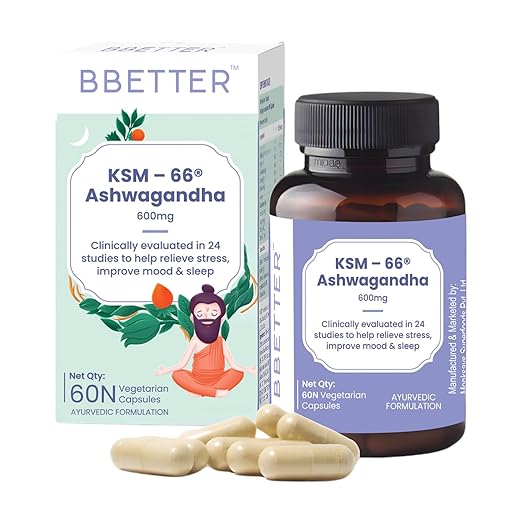
KSM-66 Ashwagandha Capsules for Stress Balance & Mental Wellness
Check today's price and availability.