Best Protein Sources for Vegetarian Women in India (Complete Guide)
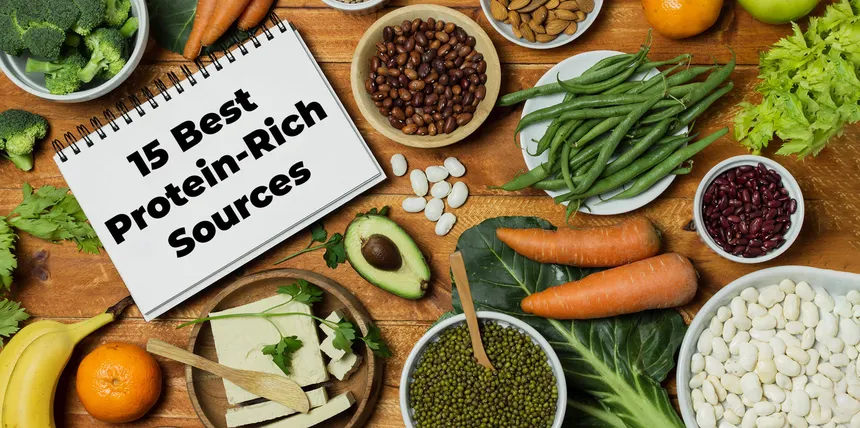
Protein is an essential nutrient that supports muscle growth, hormone production, metabolism, and overall health. For vegetarian women in India, meeting daily protein requirements can sometimes be challenging due to limited awareness of plant-based protein sources. However, many traditional Indian foods provide high-quality protein that supports fitness goals and balanced nutrition. This guide explains the best vegetarian protein sources available in India and how women can include them in daily meals. You will learn about the protein requirements for women, the benefits of plant-based protein, and the top high-protein foods such as lentils, paneer, tofu, chickpeas, quinoa, and nuts. The article also includes a sample high-protein vegetarian meal plan designed to support muscle growth, weight loss, and sustained energy levels. Whether you follow a vegetarian lifestyle for health, cultural, or personal reasons, these protein-rich foods can help you maintain strength, improve metabolism, and achieve your fitness goals naturally.
Best Protein Sources for Vegetarian Women in India
Introduction
Protein builds muscles, balances hormones, boosts metabolism, and supports immunity—essential for Indian women managing busy lives, workouts, or weight goals. With 70% of India vegetarian, meeting needs is simple using desi staples like dal, paneer, and soya that deliver complete amino acids affordably. This 1500-word guide ranks top 15 vegetarian protein sources (with protein/100g, benefits, Indian meal ideas), daily requirements, 7-day meal plan, and combination strategies for muscle gain or fat loss. Perfect for active women (55kg average) targeting 55-80g protein daily through local markets.
Why Women Need Protein Daily
Protein repairs tissues post-workout, produces hormones (thyroid, estrogen), maintains bone density, and curbs hunger during weight loss. Indian women face a 25-30% protein gap—average intake 40-50g vs needed 55-70g—leading to fatigue, hair loss, and slow metabolism. Active women (yoga/gym) need 1.2-1.6g/kg for recovery; pregnancy/lactation jumps to 1.4g/kg.
Science: Plant proteins match animal when combined (dal+roti). RDA: 1g/kg for sedentary women (55g for 55kg), 1.2g/kg active (66g). Track via apps; aim 20-30g/meal.
Top 15 Vegetarian Protein Sources Ranked
Tier 1: Super Sources (40g+ /100g dry)
- Soya Chunks (52g): Complete protein like egg; absorbs curry flavors. Use in pulao/vindaloo.
- Soybean (43g): Whole beans in usal—omega-3 bonus.
Tier 2: Dairy Powerhouses (18-25g)
- Paneer (18-20g): Calcium-rich; bhurji/tikka. Low-fat versions for weight loss.
- Greek Yogurt/Curd (10g/100g, 20g/cup hung): Probiotics + protein; raita/lassi.
- Cottage Cheese (Low-Fat Paneer) (14g): Grilling staple.
Tier 3: Lentils & Legumes (20-25g dry)
- Moong Dal (24g): Lightest digesting; chilla/khichdi.
- Masoor Dal (25g): Red lentils; quick tadka.
- Chickpeas (Chana) (19g): Boiled/roasted; masala/salad.
- Rajma/Kidney Beans (22g): North Indian curry king.
- Lobia/Black-Eyed Peas (21g): Sindhi curry.
Tier 4: Grains & Nuts (12-15g)
- Quinoa (14g): Pseudo-grain; complete protein pulao.
- Amaranth (Rajgira) (14g): Fasting-friendly roti.
- Peanuts (26g): Chikki/butter; affordable snack.
- Almonds (21g): 8 soaked daily for skin/hair.
- Chia/Flax Seeds (18g): Pudding/thali sprinkle.
High-Protein Foods Comparison Table
| Food (100g dry/cooked) | Protein(g) | Calories | Key Benefits | Indian Prep |
|---|---|---|---|---|
| Soya Chunks | 52 | 345 | Complete aminos | Pulao, curry |
| Moong Dal | 24 | 347 | Easy digest | Chilla, soup |
| Paneer | 18 | 265 | Calcium + protein | Bhurji, tikka |
| Chickpeas | 19 | 364 | Fiber rich | Salad, chaat |
| Quinoa | 14 | 368 | Gluten-free | Pulao, upma |
| Peanuts | 26 | 567 | Healthy fats | Chikki, butter |
| Greek Yogurt (200g) | 20 | 120 | Probiotics | Lassi, raita |
| Rajma | 22 | 333 | Iron boost | Masala rice |
| Lobia | 21 | 336 | Antioxidants | Sabzi |
| Almonds (30g) | 6 | 170 | Vitamin E | Soaked snack |
Smart Protein Combining Rules
- Rule 1: Grain + Legume = Complete (dal+roti, rice+rajma).
- Rule 2: Dairy boosts any meal (curd with sabzi).
- Rule 3: Sprout legumes—protein +40%, digestibility +25%.
- Rule 4: 20-30g/meal timing: breakfast, post-workout, dinner.
Bioavailability Tip: Vitamin C (lemon) with dal absorbs non-heme iron+protein better.
7-Day High-Protein Vegetarian Meal Plan (60-80g/day, 1600kcal)
For 55kg active woman: Balanced, Indian, no supplements needed.
Daily Template
- 6:30 AM: Soaked almonds (6g P).
- 8 AM Breakfast (25g P): Varies below.
- 11 AM Snack (10g): Fruit + seeds.
- 1:30 PM Lunch (25g P): Dal/rice + sabzi.
- 4 PM Snack (10g): Roasted chana/curd.
- 7:30 PM Dinner (20g P): Paneer/soya + roti.
Week Variations
Monday: Moong chilla (28g) | Rajma rice (22g) | Paneer bhurji (20g).
Tuesday: Besan cheela (25g) | Chana pulao (24g) | Tofu stir-fry (22g).
Wednesday: Oats + curd (22g) | Masoor dal + quinoa (25g) | Soya curry (30g).
Thursday: Ragi dosa (20g) | Lobia salad (21g) | Eggless scramble (paneer, 25g).
Friday: Poha + peanuts (23g) | Chickpea wrap (24g) | Sprouts chaat dinner (22g).
Saturday: Millet porridge (18g) | Mixed dal (28g) | Greek yogurt bowl (20g).
Sunday: Cheat meal + extra paneer (balance to 70g).
Total Average: 75g protein, 40g fiber, sustainable flavors.
Protein for Specific Goals
Muscle Gain (1.6g/kg = 88g for 55kg)
- Post-workout: Soya shake (banana+curd+soya powder equivalent).
- Extra 200g paneer/day = +36g.
- Squats + dal = growth.
Weight Loss (1.2g/kg = 66g)
- High protein = 30% less hunger.
- Replace rice with quinoa (-50kcal/cup).
- Snacks: Air-fried chana (20g P, 150kcal).
PCOS/Hormonal Health
- Soya + flax: Phytoestrogens balance.
- Curd: Probiotics fix gut-hormone link.
Best High-Protein Snacks (10-20g, Portable)
- Roasted Chana (20g/50g): Masala/spicy.
- Peanut Butter Toast (15g/slice): Whole wheat.
- Sprouted Moong Salad (18g/cup): Lemon+onion.
- Greek Yogurt Bowl (20g): Fruits/seeds.
- Soya Nuggets (dry炒, 25g): Chatpata.
- Cheese Cubes + Almonds (12g): Quick grab.
- Chickpea Chaat (15g): Street-style healthy.
Pro Tip: Prep Sunday—glass jars last week.
Cooking & Storage Hacks
- Batch Cook: Pressure dals (3 whistles), portion.
- Sprouting: Moong/chana overnight—bioavailable protein.
- Freezer: Paneer cubes, soya balls ready-to-cook.
- Seasoning: Jeera/haldi boosts flavor without calories.
Common Myths Busted
- Myth: Vegetarians can't build muscle. Fact: 1.6g/kg from dal+soy works.
- Myth: Too much protein harms kidneys. Fact: Healthy kidneys handle 2g/kg fine.
- Myth: Supplements needed. Fact: Food-first hits RDA easily.
Tracking & Adjusting Intake
- Apps: HealthifyMe—scan Indian foods accurately.
- Signs of Enough: Strong nails, full hair, post-gym recovery.
- Deficiency: Fatigue, cravings—add 1 dal/meal.
Final Thoughts
Indian vegetarian diets are protein powerhouses—no excuses. From soya's 52g punch to dal's daily reliability, hit 60-80g effortlessly for energy, strength, and glow. Start with one high-protein swap today (chilla breakfast) and feel the difference in 7 days. Sustainable health = consistent desi protein!