Product Overview
A kettlebell is one of the simplest ways to turn a corner of your home into a workout space. The FitBox Sports Intruder 5 kg kettlebell is a single vinyl-coated (PVC) weight in black, made for strength and cardio training at home or in the gym.
Key features
- 5 kg weight: a light starting weight for learning movements such as goblet squats, deadlifts and swings.
- Vinyl coating: the listing describes it as rust-free, so it is made for long, regular use.
- Versatile: the seller recommends it for gym workouts, Zumba and aerobics.
- In the box: 1 piece of PVC kettlebell.
Who is it for?
A 5 kg kettlebell suits beginners who want to add resistance to home workouts without buying a full set of weights. If you already train with heavier loads, you may prefer a bigger weight or an adjustable kettlebell, but a lighter one is still useful for warm-ups, shoulder work and technique practice.
Simple ways to use it
- Goblet squats and sumo squats for legs and glutes
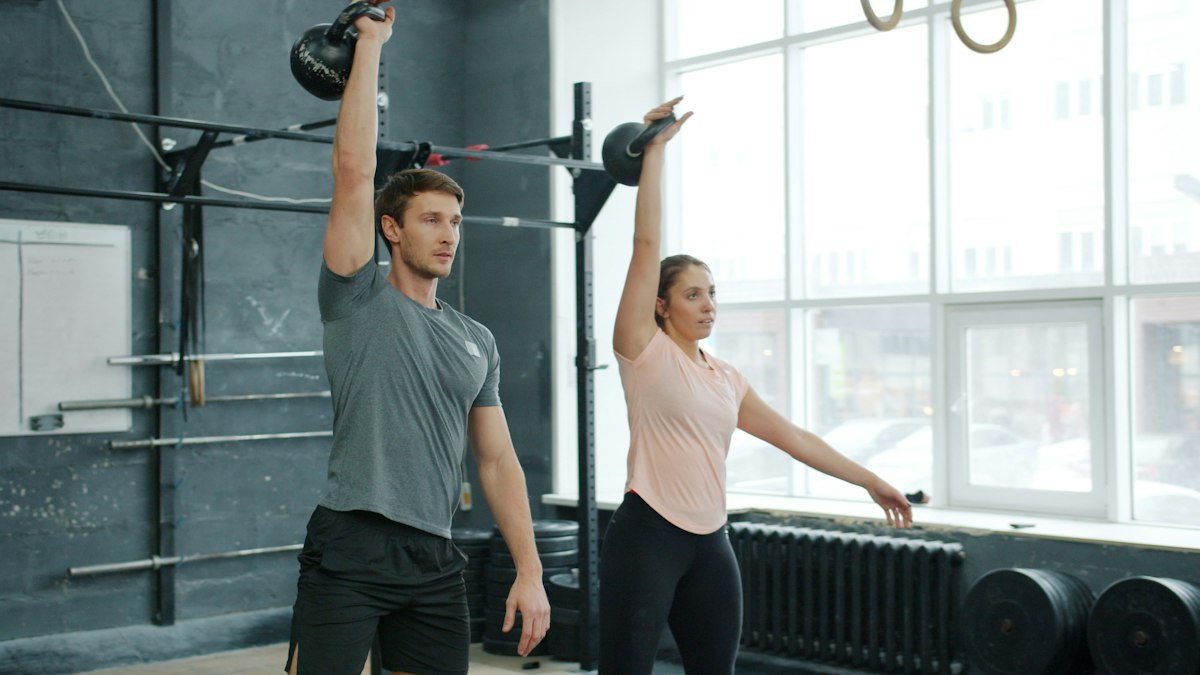
- Two-hand kettlebell swings for cardio and the posterior chain
- Farmer carries and suitcase carries for grip and core
- Halos and overhead presses for the shoulders
Start with a few easy sets, keep your back straight, and focus on good form before adding more reps or a heavier weight.
Our take
On Amazon.in this kettlebell is rated 4.1 out of 5 from about 958 ratings, which shows steady buyer satisfaction for a simple, no-frills weight. Check the latest details and delivery options on Amazon before you buy.
Why a Single Kettlebell Is Enough to Start
You do not need a room full of equipment to get strong. A single kettlebell gives you a surprisingly wide menu of exercises, and it takes up about as much space as a handbag. Compared with a dumbbell, a kettlebell has its weight below the handle, which makes it ideal for swinging, carrying and pressing movements where the weight moves through space. That shape is also a good teacher: it rewards a firm grip, a strong hip hinge and a steady core.
A 5 kg weight is on the lighter end of the range. That is not a drawback for beginners. Learning the pattern with a manageable load lets you focus on technique and build confidence before you progress. It also works well for shoulder exercises, warm-ups and high-repetition conditioning where a heavier weight would be too much.
Learning the Hip Hinge Before the Swing
The kettlebell swing is the best-known kettlebell move, and it is driven by the hips, not the arms or the lower back. Practise the hip hinge first. Stand with your feet shoulder-width apart, soften your knees slightly and push your hips back as if you were closing a car door with your bottom. Your chest tips forward with a long, flat back, and you should feel a stretch in your hamstrings. Then squeeze your glutes and stand tall.
When the hinge feels natural, hold the kettlebell with two hands, hinge back so that it moves between your legs, and then stand up powerfully so that it floats to chest height. Let it fall back down, and hinge again as it returns. The arms are only hooks. If you feel the swing in your lower back or shoulders, reduce the range and focus on the hip drive. Many people find that practising in front of a mirror, or recording a side-on video, makes errors easier to spot.
A Four-Week Beginner Plan With One Kettlebell
Train three days a week with a rest day in between. Warm up for five minutes with marching, arm circles and bodyweight squats.
- Week one: goblet squats, three sets of ten; Romanian deadlifts holding the kettlebell with two hands, three sets of ten; overhead press, two sets of eight per arm; and a 30-second plank.
- Week two: add a set to each exercise, and include suitcase carries for 20 to 30 seconds per side.
- Week three: introduce two-hand swings, five sets of ten, with a minute of rest between sets. Keep the other exercises at three sets.
- Week four: try a simple circuit: ten swings, ten goblet squats, ten halos, rest for 45 seconds, and repeat for four rounds.
When 5 kg starts to feel easy, you can increase repetitions, slow the lowering phase, pause at the bottom of a squat or move to single-arm and single-leg variations. At that point you may want a heavier kettlebell for squats and swings, while keeping the lighter one for shoulder work and warm-ups.
Safety, Space and Grip
Clear a space at least a couple of metres on every side. Keep pets and children away, and avoid slippery floors. Hold the handle with a firm, relaxed grip, and keep your wrists straight. Do not try to catch a swinging kettlebell with a loose grip, and never let go in the middle of a swing. If your hands get sweaty, wipe them with a towel, and consider a little chalk or grip towel for longer sessions.
Wear flat, stable shoes or train barefoot on a non-slip mat. Stop if you feel sharp pain in your back, shoulders or wrists. If you have a history of back problems, heart conditions, pregnancy or other medical concerns, check with a doctor or qualified coach before starting.
Looking After a Vinyl-Coated Kettlebell
The vinyl coating protects both the weight and your floor. Wipe it down with a damp cloth after use, dry it and store it in a dry place. Avoid leaving it outdoors or in a damp garage, and do not drag it across rough floors. Check the handle for rough spots or chips, and place a mat under the kettlebell when you put it down to protect tiles and wood.
Other Exercises You Can Add as You Progress
Once the basic movements feel comfortable, a single kettlebell opens up many more options. Try the single-arm overhead press, keeping your ribs down and your wrist straight. Add the goblet reverse lunge, holding the bell at your chest and stepping back with control. The Turkish get-up, a slow, multi-stage movement from lying to standing, builds coordination and shoulder stability, and is best learned with a very light weight or even a shoe on your fist before you hold a kettlebell. The kettlebell row, with one hand on a bench or chair, strengthens the back.
You can also build short conditioning circuits, for example 30 seconds of swings, 30 seconds of goblet squats and 30 seconds of rest, repeated for ten minutes. Because a 5 kg bell is light, it is also useful for high-repetition work, shoulder warm-ups and mobility drills such as halos and arm bars. Keep the weight under control, choose quality over quantity and increase one variable at a time.
Kettlebell Questions Beginners Ask
Is 5 kg too light to get a workout?
For many beginners it is a good starting point for squats, deadlifts, halos and presses. If it feels too easy, increase repetitions, add tempo and pauses, or use single-arm variations until you are ready for more weight.
Can I do swings with a 5 kg kettlebell?
Yes, especially while you are learning the hinge. Many people later move to a heavier weight for swings, as the hips are strong enough to move a bigger load.
What is the difference between a kettlebell and a dumbbell workout?
A kettlebell's off-centre weight challenges grip and stability, and it suits swings and carries. Dumbbells are more balanced and are often easier for isolated moves such as curls and presses.
How often should I train with it?
Two to four sessions a week suits most people. Allow a rest day between sessions that work the same muscles.
Will the coating damage my floor?
Vinyl is gentler than bare metal, but heavy weights can still mark soft floors. Use a mat, especially when swinging or lowering the kettlebell.
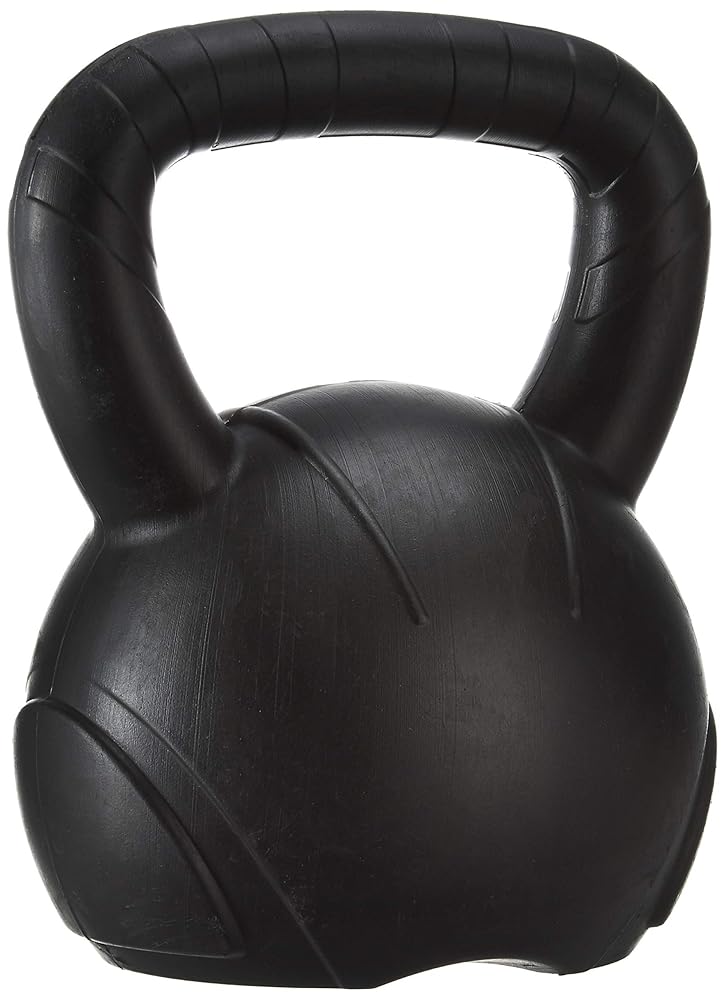
FitBox Sports Intruder 5 Kg Kettlebell – Vinyl-Coated Strength & Cardio Training Weight (Black)
Check today's price and availability.