How to Choose Your First Kettlebell: Weight Guide and 5 Easy Home Workouts
Not sure what weight kettlebell to buy? Learn how to pick your first one, and try five simple moves you can do at home.
This article may contain affiliate links. If you buy through them we may earn a commission at no extra cost to you. Learn more
A kettlebell is one of the most space-friendly pieces of home gym equipment you can buy. One weight, a small corner of floor, and you can train legs, glutes, core, back and shoulders. The hard part for most beginners is the first decision: which weight should I buy?
Which kettlebell weight should a beginner choose?
There is no single right answer, because it depends on your current strength and the exercises you plan to do. As a rough guide that many trainers use:
- 4 to 6 kg: a common starting range if you are new to strength training or are returning after a long break.
- 8 kg: a popular next step once swings and squats feel easy and controlled.
- 10 to 12 kg and above: better for people who already lift regularly.
If you can finish 10 to 12 clean repetitions of a goblet squat with good form and still feel you had a couple left, the weight is about right. A lighter bell that lets you learn proper movement is better than a heavy one that makes your form worse.
What to look for when buying
- Coating: a vinyl or neoprene coat protects floors and is gentler on your hands than bare iron, and a rust-resistant finish helps it last.
- Handle: it should be smooth enough to move in your hand but not slippery, with enough room for two hands.
- Flat base: the bell should stand steadily on the floor.
- Reviews: read recent buyer feedback about grip, finish and delivery.
One example that fits this description is the FitBox Sports Intruder 5 kg kettlebell, a vinyl-coated, black kettlebell that Amazon buyers rate 4.1 out of 5. A 5 kg weight is a sensible starting point for learning the basic movements.
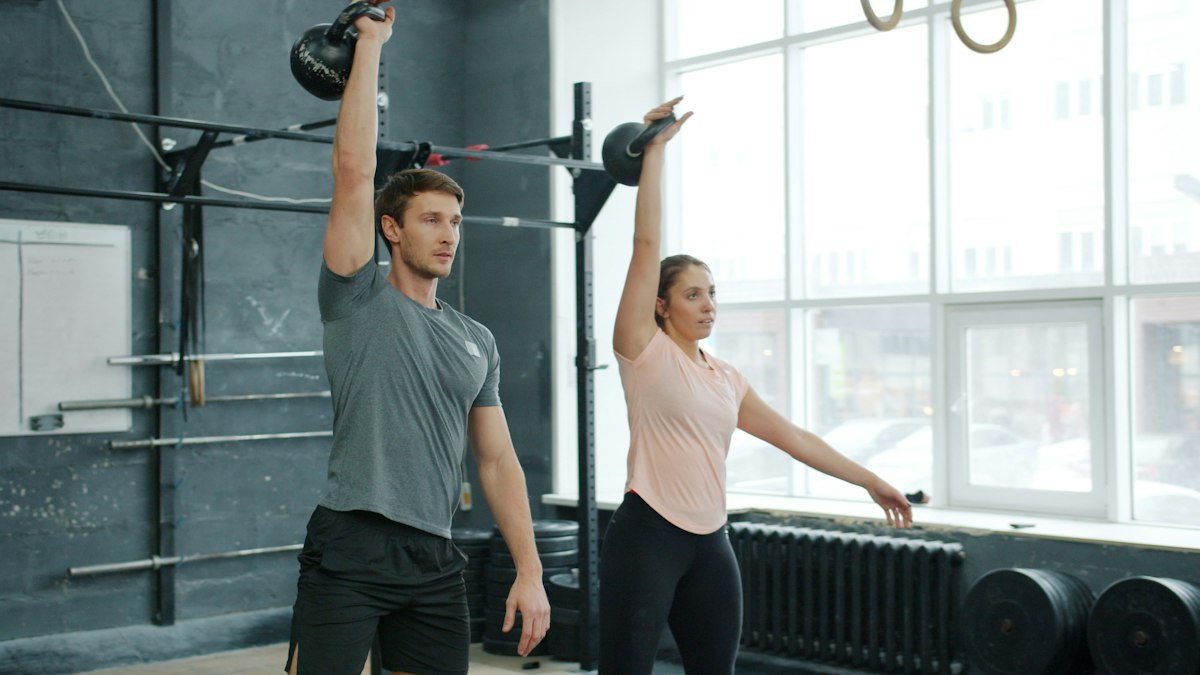
5 easy kettlebell moves for beginners
- Goblet squat: hold the bell at your chest with both hands, sit back and down, then stand up tall.
- Deadlift: stand with feet hip-width apart, push your hips back with a flat back, and lift the bell from the floor by standing up.
- Two-hand swing: hinge at the hips and let the bell swing back, then drive your hips forward so it floats up to chest height.
- Farmer carry: hold the bell at your side and walk slowly for 20 to 30 seconds, keeping your shoulders back.
- Halo: hold the bell upside down at chest height and circle it slowly around your head to warm up your shoulders.
A simple 15-minute routine
Do each move for 30 seconds, rest for 30 seconds, and repeat the circle three times: goblet squat, deadlift, two-hand swing, farmer carry. Finish with a minute of halos. Do this two or three days a week and increase the time or the weight slowly as it gets easier.
Safety tips
- Warm up for a few minutes before you start.
- Keep your back straight and move from the hips when you swing.
- Clear the floor around you and use a mat if your floor is slippery.
- If you have an injury, pain, or a medical condition, talk to a doctor or qualified trainer before starting.
Final thoughts
You do not need a full set of weights to get started at home. One well-chosen kettlebell, a few basic moves, and a regular routine are enough to build strength and improve your fitness. Browse our fitness equipment picks for more ideas.
Some links on this page are affiliate links. If you buy through them, MiraFit may earn a small commission at no extra cost to you.
Matching Weight to the Exercise, Not Just to Yourself
People often ask for one number, but a single kettlebell is used for several different movements, and each one has its own sensible weight. Movements driven by the big muscles of the legs and hips, such as deadlifts and swings, allow a heavier bell. Movements that rely on the shoulders and arms, such as overhead presses, halos and curls, call for a lighter one. That is why many people end up owning two kettlebells in time: a moderate one for hips and legs, and a lighter one for shoulder work and warm-ups.
If you can only buy one, choose a weight you can use for most of your routine with good control. A lighter bell that you can handle gracefully will teach you more than a heavy one that you muscle around. As your fitness improves, you can make the same weight harder in many ways without buying anything new: more repetitions, slower lowering, a pause at the bottom of a squat, single-arm versions and short rest periods.
How to Know It Is Time to Go Heavier
A few signs suggest you are ready for a heavier kettlebell. You finish all your sets with plenty of repetitions left in the tank, your form stays steady throughout, and you have trained consistently for at least four to six weeks. Try the next weight on one or two exercises first, and keep the lighter one for the others. If your swing turns into a squat-and-lift or you feel it mainly in your lower back, step back down and work on the hip hinge. Progress should feel like a small step, not a leap.
Common Beginner Mistakes
- Treating the swing as an arm lift. The power comes from the hips snapping forward, while the arms simply guide the bell.
- Rounding the back in deadlifts. Keep a long, neutral spine and push your hips back.
- Choosing a weight by ego. Pick the weight that lets you move well, not the one that looks impressive.
- Skipping the warm-up. Five minutes of marching, hip hinges and arm circles prepare your joints.
- Training with a sweaty, slippery handle. Wipe your hands and the bell, and clear space around you.
A Simple Four-Week Progression
In week one, repeat the 15-minute routine above twice. In week two, do it three times and add a farmer carry on each side. In week three, extend the work intervals to 40 seconds and shorten the rest to 20 seconds. In week four, add a second round of the circuit, or switch to a slightly heavier bell for the squat and deadlift. Keep notes of the weight, the repetitions and how each session felt, so you can see steady progress.
If you have back, shoulder or wrist problems, are pregnant or have a medical condition, ask a doctor or qualified coach before starting kettlebell training, and stop if you feel sharp pain.
Beginner Kettlebell Weights for Different Goals
Your goal also helps determine the weight. If you want to build general strength and muscle in the legs and glutes, choose a bell that makes goblet squats and deadlifts challenging in the 8 to 12 repetition range. If your goal is conditioning, a lighter bell lets you keep swings and carries going for longer intervals without losing form. If you mainly want mobility and shoulder health, a lighter bell is ideal for halos, arm bars and slow presses.
Think of your first kettlebell as a learning tool, not a final decision. Many people discover after a few weeks that they want a second weight, and that is a sign of progress. Buy from sellers with clear return policies, and check recent reviews for comments on finish quality and handle comfort.
Kettlebell Buying and Training Questions
Is a kettlebell better than dumbbells for beginners?
Both work well. Kettlebells are great for swings, carries and hinges, while dumbbells are easier for isolated moves. Many people start with one and add the other later.
Can I build strength with only one kettlebell?
Yes, especially in the first months. Use variations, tempo changes and more repetitions to keep your muscles challenged.
How often should I train with a kettlebell?
Two to three sessions a week is a good start, with a rest day in between. Add a short walk on rest days if you like.
What surface is best for kettlebell workouts?
Choose a flat, non-slip surface, ideally with a rubber mat to protect the floor. Avoid wet or uneven ground.
Does a vinyl coating make a difference?
It protects floors and is gentler on your hands than bare metal. Check that the finish is smooth, and wipe it down after training to keep it clean.
Written by Admin User
Part of the MiraFit editorial team, sharing practical fitness, wellness and lifestyle advice. Content is for general information and is not medical advice.