Fibre-Maxxing: How Much Fibre Do You Really Need? Indian Foods and a Safe Plan
Fibre-maxxing is trending, but more is not always better. See how much fibre women need, the best Indian sources and a gentle four-week plan to raise your intake.
This article may contain affiliate links. If you buy through them we may earn a commission at no extra cost to you. Learn more
After a few years of protein obsession, a new nutrition buzzword is everywhere: fibre-maxxing. Social media videos show people piling chia seeds, beans, oats and fruit onto their plates, promising better digestion, steadier energy and clearer skin. Indian nutrition writers and dietitians have picked up the conversation too, partly because surveys suggest many Indians fall well short of the recommended amount. The truth sits between hype and neglect: most women do need more fibre, but more is not always better, and how you get there matters. This guide explains how much you need, the best Indian sources and a safe way to increase your intake. It is general information, not medical advice.
What Fibre Does for You
Dietary fibre is the part of plant foods your body cannot fully digest. It does useful work along the way.
- Digestion: insoluble fibre, found in whole grains, vegetable skins and nuts, adds bulk and helps food move through the gut, which supports regular bowel movements.
- Blood sugar: soluble fibre, found in oats, pulses, fruit and psyllium, slows how quickly carbohydrates are absorbed, which helps steady blood sugar.
- Cholesterol: soluble fibre can help lower LDL cholesterol when eaten regularly as part of a balanced diet.
- Gut bacteria: some fibres act as prebiotics, feeding beneficial bacteria that produce compounds such as short-chain fatty acids.
- Fullness: fibre-rich meals tend to be more filling, which can help with appetite and weight management.
How Much Fibre Do You Need?
Guidance from the Indian Council of Medical Research and National Institute of Nutrition suggests at least 25 grams of fibre a day for adult women and about 30 grams for men. Health agencies in the United States give similar figures, around 25 grams for women and 38 for men, in line with roughly 14 grams per 1,000 calories. Surveys reported in the Indian media suggest that a large share of Indians, especially women, eat less than this, and some estimates put typical intake closer to 15 grams, although those figures come partly from food companies, so treat them as indicative.
So the starting point is simple: if you are eating well under 25 grams, moving toward it is a worthwhile goal. The "fibre-maxxing" version of the trend, which encourages 70 to 100 grams a day, goes far beyond what guidelines recommend and may cause trouble for many people.
Why More Is Not Always Better
Suddenly eating a lot more fibre can cause bloating, gas, cramps and constipation or loose stools, especially if you do not drink enough water. Very high intakes can also interfere with the absorption of minerals such as iron, zinc and calcium in some people, and may be hard to sustain from real food. People with irritable bowel syndrome, inflammatory bowel disease, a history of bowel obstruction or other digestive conditions often need a tailored approach and should speak with a doctor or dietitian before changing their fibre intake.
Many experts suggest a gradual approach: if you currently eat very little fibre, start with roughly 10 to 15 grams and add about 3 to 5 grams a week while you watch how your body responds.
Fibre-Rich Foods in an Indian Kitchen
You do not need imported superfoods. Everyday Indian foods are some of the best sources. The figures below are rough guides, and exact amounts vary by variety, size and cooking method.
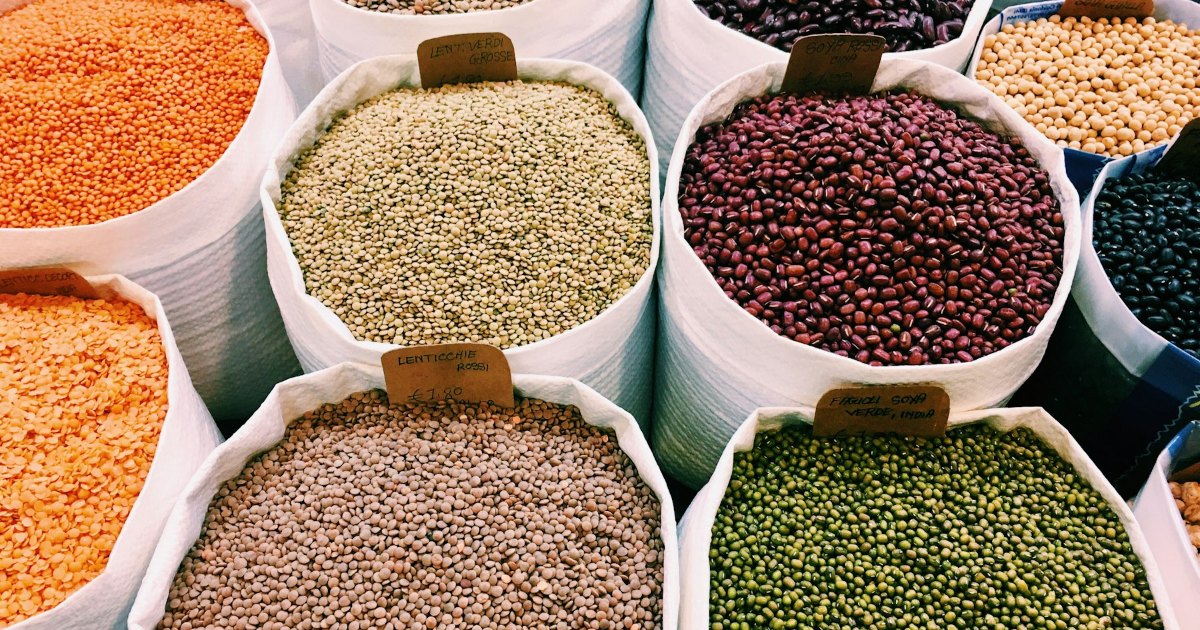
- Pulses: a cup of cooked rajma, chana or lentils provides roughly 12 to 15 grams. Dal, sprouts and chana chaat are easy ways to add them.
- Whole grains and millets: a whole wheat roti provides around 2 to 3 grams. Ragi, bajra, jowar and oats are also good choices.
- Vegetables: leafy greens, beans, carrots, cauliflower, peas and gourds all add fibre, particularly when you leave the skins on where suitable.
- Fruit: a guava has roughly 5 grams, an apple with skin about 4, and pears, berries and oranges also contribute.
- Nuts and seeds: two tablespoons of chia seeds provide about 10 grams, and flaxseed and almonds add smaller amounts.
A Day of Eating That Reaches About 28 Grams
Here is a sample day, using roughly estimated amounts, to show how simple it can be.
- Breakfast: a bowl of oats cooked with milk, topped with an apple and a tablespoon of chia seeds, about 9 grams.
- Lunch: a cup of dal, a mixed vegetable sabzi, two whole wheat rotis and a salad, about 12 grams.
- Snack: a guava or a handful of roasted chana, about 5 grams.
- Dinner: vegetable khichdi with a bowl of curd and a side of sautéed greens, about 6 grams.
Spreading fibre across meals is gentler on digestion than eating a large amount at once, and it keeps you fuller through the day. If you follow a vegetarian diet, our guide to vegetarian protein sources shows how pulses and whole grains can serve both goals at once.
A Four-Week Plan to Raise Your Intake Gently
- Week 1: add one fibre-rich food to each meal, for example a fruit with breakfast and a salad or sprouts with lunch. Drink water regularly.
- Week 2: swap refined grains for whole ones: whole wheat roti instead of maida, brown or red rice alongside white, oats or millets for breakfast.
- Week 3: include a pulse at lunch and dinner, and add a tablespoon of seeds to a meal or snack.
- Week 4: check how you feel. If digestion is comfortable, keep going. If you feel bloated, hold at your current level for another week before increasing.
Keep a simple note of how you feel, because your body gives you the best feedback.
Water, Movement and Fibre Work as a Team
Fibre needs water to do its job. If you increase fibre without drinking enough, it can make constipation worse, so aim to drink regularly through the day and have more in hot weather. Movement helps the gut as well, and a short walk after meals supports digestion. Pair a fibre-rich diet with enough protein and healthy fats, and if you have PCOS or insulin resistance, our PCOS diet plan shows how fibre-rich carbohydrates can fit into your meals.
What About Fibre Supplements and Gut Gummies?
Whole foods should come first, since they give you fibre together with vitamins, minerals and protective plant compounds. Fibre supplements such as psyllium husk (isabgol) can help some people, but they need plenty of water and are best used on a doctor's advice, particularly if you take medicines, because fibre can affect how some are absorbed. Gummies and powders marketed for gut health often contain small amounts of fibre, so read the label to see how many grams you actually get. If you are curious about the category, our guide to gut health gummies explains what to look for.
Spotting Fibre on Packaged Food Labels
Packaged foods increasingly advertise fibre, so it helps to read the label. Look at the nutrition table for grams of dietary fibre per serving, and compare brands using per-100-gram figures so serving sizes do not mislead you. A "high fibre" claim usually means a meaningful amount per serving, but a biscuit or snack bar with added fibre is not the same as a bowl of dal and vegetables. Check the ingredient list too: whole grains, pulses, nuts and seeds near the top are a good sign, while a long list of added sugars, refined flour and additives is not. Whole foods are cheaper, more filling and come with other nutrients, so use packaged options as an occasional convenience, not the core of your plan.
Adjusting Fibre for Different Needs
- PCOS or insulin resistance: fibre-rich carbohydrates paired with protein can help steady blood sugar, which is a useful part of many PCOS meal plans.
- Weight management: high-fibre, high-volume foods such as vegetables, pulses and fruit can help you feel full on fewer calories.
- Older adults: fibre can help with regularity, but fluids matter and so do softer textures if chewing is difficult.
- Children: they need less fibre than adults. A simple guide is to offer fruit, vegetables and whole grains regularly and increase gradually.
- Athletes and very active people: they may want to reduce fibre right before intense sessions if it upsets their stomach, and eat more at other times.
When to See a Doctor
Talk to a doctor if you have long-lasting constipation or diarrhoea, blood in your stool, unexplained weight loss, severe abdominal pain, or a change in bowel habits that does not settle. These can have causes that need proper evaluation. Do not self-treat persistent digestive symptoms with more fibre alone.
Fibre and Gut Health: Common Questions
Is 25 grams of fibre enough?
It is a good evidence-based target for most adult women. Some people feel better with a little more, but there is no need to chase extreme numbers. Consistency and variety matter more than a single high day.
Can fibre help with weight loss?
Fibre-rich foods can help you feel full for longer, which may help with appetite, but they are not a magic fix. Weight depends on overall diet, activity, sleep and other factors.
Why do I feel bloated when I eat more fibre?
Gut bacteria ferment some fibres and produce gas. Bloating often settles as your gut adjusts. Increase gradually, drink water, chew well and see how different foods affect you.
Is cooked fibre as good as raw?
Cooking softens fibre and does not remove it. Both cooked and raw vegetables and pulses contribute, and variety is the best approach.
Do I need fibre if I take probiotics?
Probiotics and fibre work differently. Fibre feeds your existing gut bacteria, so a diet rich in plant foods supports gut health whether or not you take a probiotic.
Written by Admin User
Part of the MiraFit editorial team, sharing practical fitness, wellness and lifestyle advice. Content is for general information and is not medical advice.


