Burnout vs Stress: Signs, Causes and a 4-Step Recovery Plan for Busy Women
Always tired, flat and short-tempered? Learn how burnout differs from stress, the signs to watch for and a realistic four-step recovery plan, plus when to get help.

This article may contain affiliate links. If you buy through them we may earn a commission at no extra cost to you. Learn more
"I'm just tired" is one of the most common sentences in modern life, and for many women it hides something bigger. Between work deadlines, caregiving, household management and the pressure to look like you are coping, it is easy to slide from ordinary stress into burnout without noticing. Wellness and mental-health coverage in both India and the United States now talks about burnout constantly, and many women are searching for a way out. This guide explains the difference between stress and burnout, the signs to watch for and a realistic recovery plan. It is general information and not a diagnosis or medical advice.
What Burnout Actually Is
The World Health Organization describes burnout in its International Classification of Diseases as an occupational phenomenon, a syndrome that comes from chronic workplace stress that has not been successfully managed. It is not classed as a medical condition on its own, but it is taken seriously because it affects health, relationships and work. The WHO describes three dimensions: feelings of energy depletion or exhaustion, increased mental distance from your job or feelings of negativity or cynicism about it, and reduced professional effectiveness.
Many women experience a similar pattern in caregiving and home life, even when the term "occupational" does not quite fit. Looking after children, ageing parents and a household on top of a paid job can create the same long-term overload, and some research suggests women in full-time work spend more hours on unpaid care and domestic tasks than men, which leaves less time to recover.
Stress vs Burnout: How to Tell the Difference
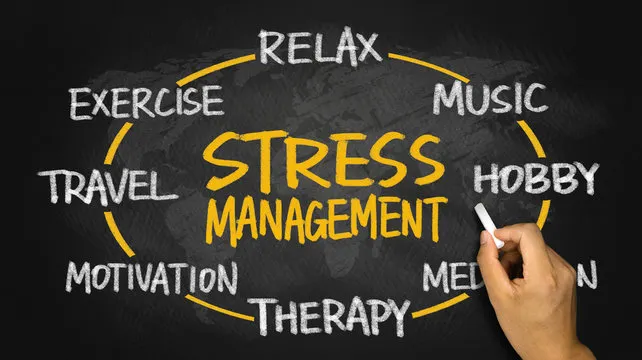
Stress usually feels like too much: too many demands, too little time, a racing mind. You may feel tense, irritable and overloaded, but you still believe that if you could just get everything under control, you would feel better. Burnout feels more like too little: too little energy, too little motivation and too little hope that things will change. Instead of urgency, you feel flat, detached or numb.
- Stress: overengaged, anxious, reactive, a sense of urgency and the feeling that you are doing everything at once.
- Burnout: disengaged, empty, cynical, exhausted even after rest and a sense that nothing you do matters.
The two are connected, and long-term stress is the usual route to burnout. That is why it is worth paying attention to early signals.
Signs You Should Not Ignore
- Exhaustion that sleep and weekends do not fix.
- Dreading work or tasks you used to manage easily.
- Becoming cynical, irritable or emotionally flat with colleagues, family or friends.
- Trouble concentrating, forgetfulness and making mistakes.
- Headaches, stomach problems, frequent colds or muscle tension.
- Disturbed sleep: difficulty falling asleep, waking at night or early waking.
- Working longer hours to catch up while achieving less, or skipping breaks and holidays.
- Withdrawing from friends, hobbies and things that used to bring joy.
- Reaching for caffeine, sugar, alcohol or scrolling to get through the day.
Cognitive and behavioural signs are easy to rationalise as "just being busy", which is why burnout is often noticed late. A useful check is to ask whether the way you feel has lasted for weeks, not days, and whether it affects more than one area of your life.
Why Rest Alone Is Usually Not Enough
A holiday or a long weekend can help in the short term, but if the underlying demands remain the same, burnout often returns within days of coming back. Real recovery usually means changing something in the conditions that created the exhaustion, in addition to resting. That might be your workload, your boundaries, how tasks are shared at home, your expectations of yourself or how much support you have. This is not about blaming yourself. Burnout is largely the result of demands that outweigh resources, not a personal weakness.
A Four-Step Recovery Plan
Step 1: Name It and Make Space
Tell someone you trust how you are feeling, whether that is a friend, partner, colleague or doctor. Say it plainly: "I am exhausted and I think I am burnt out." Naming it reduces shame and begins to shift the story from "I am failing" to "I am overloaded". If you can, take a few days of genuine rest, not a working holiday.
Step 2: Protect the Basics
Your body needs fuel to recover. Aim for regular meals with protein, vegetables and fibre, enough water and a consistent sleep and wake time. Gentle movement such as a 20-minute walk lifts mood and energy more reliably than intense workouts when you are depleted. Our guides on sleep and digital detox and a calm morning routine can help you rebuild a foundation.
Step 3: Reduce the Load
List everything you are carrying: work tasks, household jobs, family obligations and commitments. Sort them into three groups: things you must do, things that someone else could do, and things you can drop or postpone. Then act on it. Ask for help with specific tasks, say no to one non-essential commitment this week and set a clear finishing time for work. Even small reductions can make recovery possible.
Step 4: Rebuild Meaning and Connection
Burnout drains the sense that your effort matters. Schedule small, enjoyable things that have nothing to do with productivity: a walk with a friend, music, cooking something you love, time in nature or a creative hobby. Journaling can help you notice what drains you and what restores you, and our journaling prompts for emotional balance are a gentle way to start.
Setting Boundaries Without Guilt
Many women find boundaries hard because they have been taught to be helpful and available. Try short, calm phrases: "I can do that on Thursday, not today." "I can't take that on right now, but I can help with something smaller." "I am offline after seven." Notice that you are not asking for permission, and that you are not required to over-explain. At work, clarify priorities with your manager: if everything is urgent, ask what should come first. At home, share the mental load by naming tasks, not just doing them: "Can you own school bags and uniforms this week?"
What About Supplements and Quick Fixes?
Many people look for a supplement when they feel drained. Some herbs, such as ashwagandha, have been studied for stress, but evidence is modest, and they cannot fix an overloaded life. Our guide to adaptogenic herbs explains what they can and cannot do. If you are constantly tired, it is also worth asking your doctor to check for physical causes such as anaemia, thyroid problems, vitamin B12 or vitamin D deficiency, sleep apnoea and depression, because these can look like burnout or add to it.
When to Get Professional Help
Seek support from a doctor, psychologist or counsellor if your symptoms last for weeks, if you feel hopeless or numb, if you are struggling to function at home or work, or if you are relying on alcohol or other substances to cope. Evidence-based therapies such as cognitive behavioural therapy and mindfulness-based stress reduction can help reduce exhaustion and rebuild coping skills. If you ever have thoughts of harming yourself, please get help immediately. In India, you can call the Tele-MANAS helpline on 14416. In the United States, you can call or text 988, the Suicide and Crisis Lifeline. If you are elsewhere, contact your local emergency number or a crisis service.
Preventing a Relapse
Once you start to feel better, protect your recovery. Keep a weekly check-in with yourself: how is my energy, my sleep and my mood? Notice early warning signs, such as skipping lunch, working late several days in a row or snapping at people, and respond quickly. Build recovery into your routine as you would meetings: a walk after lunch, a free evening each week, a real day off and an annual holiday. Revisit your workload regularly, because burnout often returns when old patterns creep back.
Burnout Recovery: Common Questions
How long does it take to recover from burnout?
It varies widely. Mild cases may improve within weeks of changes, while severe burnout can take months. Recovery is usually gradual, with good days and bad days, and it tends to be faster when you reduce the load and get support.
Is burnout the same as depression?
They overlap but are not the same. Burnout is linked to chronic stress, often in a specific area such as work, while depression affects mood more broadly. If you feel persistently low, hopeless or have lost interest in everything, see a doctor.
Should I quit my job?
Not necessarily. Sometimes changing your workload, role, hours or manager helps. If the environment is harmful and cannot change, moving on may be the right choice, but try to make big decisions with support and not when you are at your most exhausted.
Can exercise make burnout worse?
Intense training can make you feel worse when you are already depleted. Gentle movement such as walking, stretching and yoga usually helps. Increase intensity slowly as your energy returns.
What can I do if I cannot take time off?
Look for small gains: a proper lunch break, short outdoor walks, a firm finishing time, delegating one task and protecting your sleep. Talk to your manager or HR about workload, and consider seeing a doctor about a medical certificate if you need rest.
Written by Admin User
Part of the MiraFit editorial team, sharing practical fitness, wellness and lifestyle advice. Content is for general information and is not medical advice.