Healthy Diwali: How to Enjoy Sweets and Festive Food Without Derailing Your Health
Enjoy the mithai and the celebrations without the post-festival slump. Practical Diwali tips for sweets, plates, sleep, movement, air quality and healthy gifting.
This article may contain affiliate links. If you buy through them we may earn a commission at no extra cost to you. Learn more
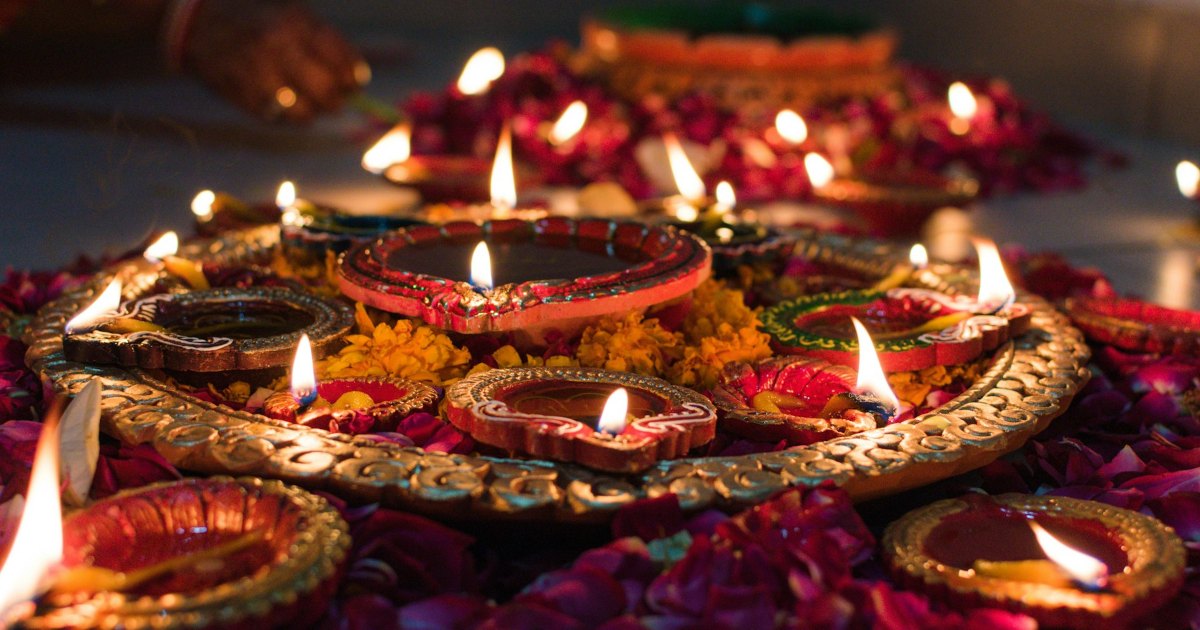
Diwali is a time for lights, family, gifts and food. Mithai boxes arrive from every direction, there are late-night card parties and long drives to relatives, and the usual routine of workouts and early nights disappears. Many people spend the weeks after the festival feeling sluggish and guilty. The good news is that you can enjoy the celebration fully without derailing your health. You do not need to avoid sweets, and you certainly do not need a strict diet. A handful of simple habits can help you enjoy the festival and still feel good afterwards. This guide shares practical, realistic ideas for the festive season, and it is general information, not medical advice.
Start With the Right Mindset
Festivals are meant to be enjoyed. Eating a ladoo, a piece of barfi or a plate of snacks with family is part of the joy and the tradition. The goal is not perfection but balance. A few indulgent days will not undo your health, while several weeks of constant overeating and no movement might. Think about what matters most to you, whether that is a favourite sweet, a family recipe or time with people you love, and enjoy those fully while keeping the rest of your routine steady.
Eat Well Before You Celebrate
Arriving at a party very hungry makes overeating almost certain. Eat regular meals with protein and fibre earlier in the day, such as eggs, paneer, dal, sprouts, curd or vegetables. Have a glass of water before you start. A balanced breakfast and lunch make it easier to enjoy a festive dinner with a calmer appetite. If you are fasting for a ritual, follow your tradition while looking after yourself: break the fast gently with water, fruit or nuts, and have a balanced meal afterwards.
The Plate Method for Festive Meals
At a buffet or family meal, try this simple approach. Fill half your plate with salads, vegetables and sabzis, a quarter with protein such as dal, paneer, chana, chicken or fish, and a quarter with rotis, rice or pulao. Then choose one or two special items you truly want, such as a favourite fried snack or a sweet. Eat slowly, chat between bites and wait ten minutes before going for seconds, since fullness takes time to register.
Enjoying Sweets Without the Guilt
- Choose what you love. Pick your favourite one or two sweets instead of trying everything in the box.
- Keep portions small. A single piece after a meal is usually more satisfying than several pieces on an empty stomach.
- Pair sweets with protein or fibre. Eating a sweet after a meal that includes dal, vegetables or curd can lead to a steadier rise in blood sugar than eating it alone.
- Do not rely on "sugar-free" claims. Sweets made with dates, jaggery or dry fruits still contain sugar and calories, although they may carry a few more nutrients.
- Share and gift. Give part of the box to neighbours, friends or domestic staff so that it does not sit on the counter for weeks.
- Make smarter snacks at home. Roasted makhana, roasted chana, nuts, dry fruit mixes, baked or air-fried namkeen and fruit chaat are lighter options.
Smarter Swaps for Festive Cooking
- Bake or air-fry samosas, kachoris and chakli instead of deep-frying, or have them occasionally and in small portions.
- Use less sugar and ghee in homemade sweets, and add nuts, seeds and spices such as cardamom, saffron and cinnamon for flavour.
- Offer curd-based dips, roasted vegetables and sprouts chaat alongside heavier items.
- Choose water, jaljeera, buttermilk, lemon water or herbal tea over sugary soft drinks and packaged juices.
Protect Your Energy and Sleep
Late nights, travel and noise can wear you down. Try to keep your bedtime within an hour or two of normal, and take short naps if you need them. Avoid having a heavy meal right before sleep, and limit caffeine and alcohol late in the evening. If you want a simple guide, our article on digital detox and better sleep offers practical tips for winding down. Hosting can also be stressful, so share tasks, accept help and give yourself time to rest between events.
Keep Moving, Even in Small Ways
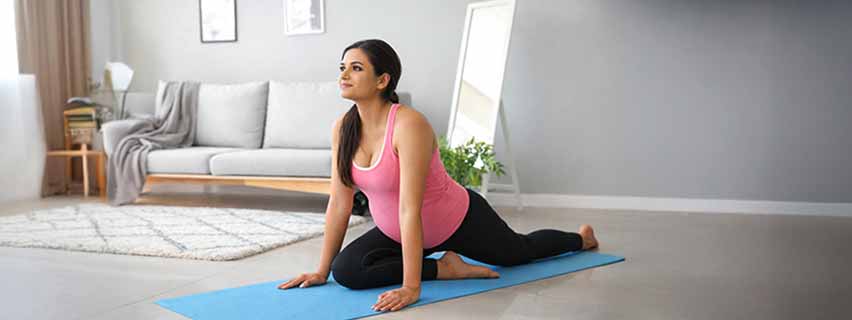
You do not need your usual workout to stay active. A 10-minute walk after meals helps digestion and steadies blood sugar for many people, and short bursts of movement add up: dance with the family, climb the stairs, play with the children or take an evening walk to see the lights. If you have 20 minutes, try a simple home workout. Our guide to home workouts for women and the zone 2 cardio guide have easy options. On days when you cannot exercise, a few stretches and a short walk are still worthwhile.
A Sample Festive Day That Still Feels Like a Celebration
Here is an example of how a busy Diwali day might look. It is flexible, so adapt it to your plans.
- Morning: a glass of water, a ten-minute walk or stretch and a protein-rich breakfast such as vegetable poha with peanuts, paneer bhurji or besan chilla with curd.
- Mid-morning: fruit and a handful of nuts while you help with the cooking and decorating.
- Lunch: dal, a vegetable sabzi, a roti or a small portion of rice, salad and curd. Keep it simple, because there will be feasting later.
- Afternoon: a short walk or a few minutes of stretching, plenty of water and tea without too much sugar.
- Evening puja and gatherings: a small plate with a mix of savoury snacks and one or two sweets. Chat, enjoy and pause before refilling.
- Dinner: a festive meal using the plate method. Stop when you feel comfortably full, not stuffed.
- Night: a short walk if possible, switch off screens and aim for a reasonable bedtime.
It is not a strict plan. The idea is to anchor your day with a few steady habits so that the indulgent moments feel like treats and not a free-for-all.
Diwali, Air Quality and Your Lungs
Fireworks and festive smoke can worsen air pollution in many cities, particularly in winter, when pollutants linger. Check the air quality index, and if it is poor, reduce outdoor exercise, keep windows closed during peak pollution hours and use an air purifier indoors if you have one. People with asthma, heart or lung conditions, older adults, pregnant women and children should take extra care. If you go outside in heavy smog, a well-fitted N95-type mask offers more protection than a cloth mask. Choose quieter, lower-smoke ways to celebrate if you can, such as lights, rangoli and diyas, and keep rescue inhalers close if you use them.
If You Have Diabetes, Blood Pressure or Other Conditions
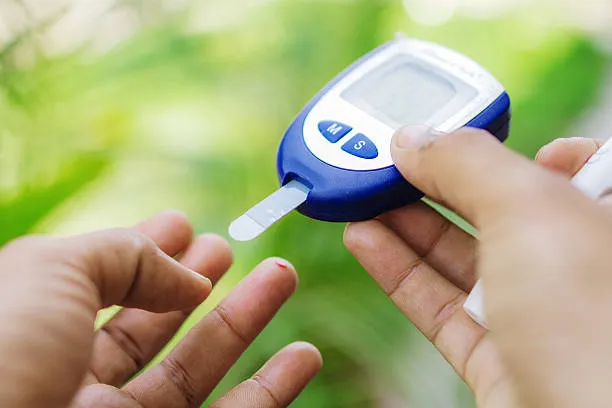
Festivals can be tricky if you manage a health condition. Take your medicines at the usual times, check your blood sugar or blood pressure as your doctor advises and do not skip meals. Plan ahead for events, and carry snacks if you are on medication that can cause low blood sugar. If you plan to fast, speak to your doctor first about how to adjust your medicines. Our guide on diabetes in women has more on managing blood sugar and exercise safely. Seek medical help if you feel unwell, dizzy, breathless or have chest pain.
Healthy Gifting Ideas
Sweets and dry fruit boxes are traditional, but gifts that support wellbeing are a thoughtful alternative. A yoga mat, a set of resistance bands, a water bottle, a foam roller or a skincare essential can be a gift that is used all year. You can browse our product guides for ideas. Festive offers on Amazon change through the day, and prices and discounts are set by the retailer, so check the current details on the listing before you buy. We may earn a commission from qualifying purchases, at no extra cost to you.
A Simple Post-Diwali Reset
If you feel sluggish after the celebrations, avoid crash diets and punishing workouts. Return to your usual meals with plenty of vegetables, protein and water. Go for a daily walk, sleep well and keep your routine consistent for a week. Most people feel back to normal quickly, and it is better to build on the good habits you keep than to punish yourself for the ones you set aside.
Healthy Diwali: Common Questions
How can I avoid overeating sweets at Diwali?
Eat balanced meals earlier in the day, choose one or two favourite sweets, serve small portions on a plate instead of eating from the box and have sweets after a meal rather than on an empty stomach.
Are sugar-free sweets a healthy option?
They may contain less sugar but often contain other sweeteners, refined flour or fat, and they can still be high in calories. If you have diabetes, ask your doctor before relying on them.
Is it safe to exercise on Diwali if air quality is poor?
If the air quality index is high, move your workout indoors, shorten outdoor activity or choose a time when pollution is lower. People with lung or heart conditions should be particularly careful.
How can I stay hydrated during festive days?
Keep a water bottle with you, drink a glass before meals, include buttermilk, coconut water or herbal teas, and limit sugary drinks and alcohol, which can leave you feeling more tired.
What should I do if I overate?
Do not punish yourself. Take a gentle walk, drink water, eat normally at your next meal and return to your routine. One heavy meal does not undo your progress.
Written by Admin User
Part of the MiraFit editorial team, sharing practical fitness, wellness and lifestyle advice. Content is for general information and is not medical advice.